Best time to visit Kenya
Kenya, located in East Africa, is a country known for its remarkable geographic diversity and rich natural landscapes. The terrain ranges from arid and semi-arid regions in the north to lush tropical forests in parts of the south and stunning white-sand beaches along the Indian Ocean coastline in the east. Kenya’s climate varies by region and altitude but generally follows a warm, tropical pattern. The warmer summer months typically fall between December and March, while cooler, drier conditions are usually experienced from July to November. Kenya experiences two rainy seasons each year: the “long rains” from April to June and the “short rains” usually occurring between October and December. This varied climate and landscape make Kenya one of Africa’s most popular safari and beach destinations, offering excellent wildlife viewing throughout much of the year.
Kenya Average Daily Temperatures & Number of Sunny Days
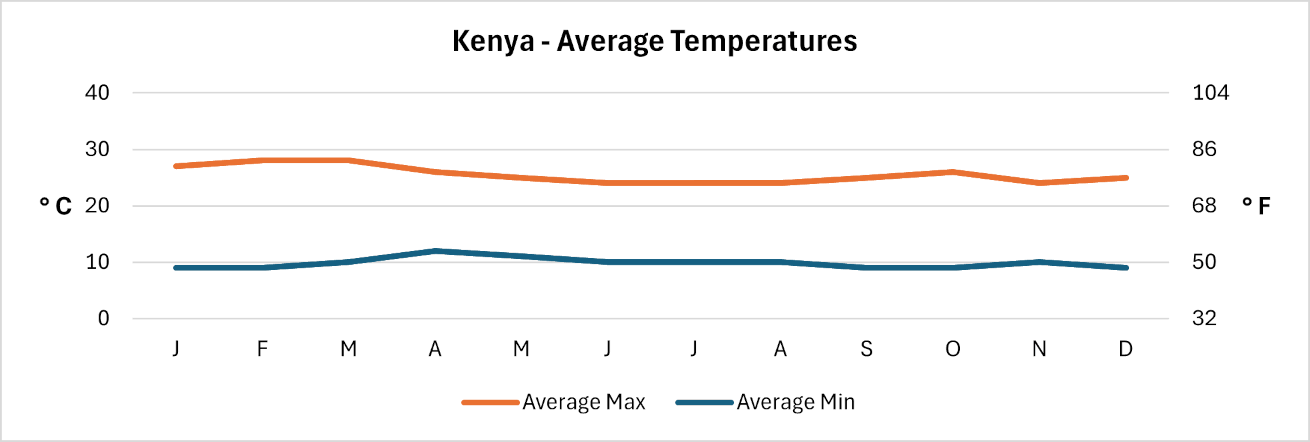
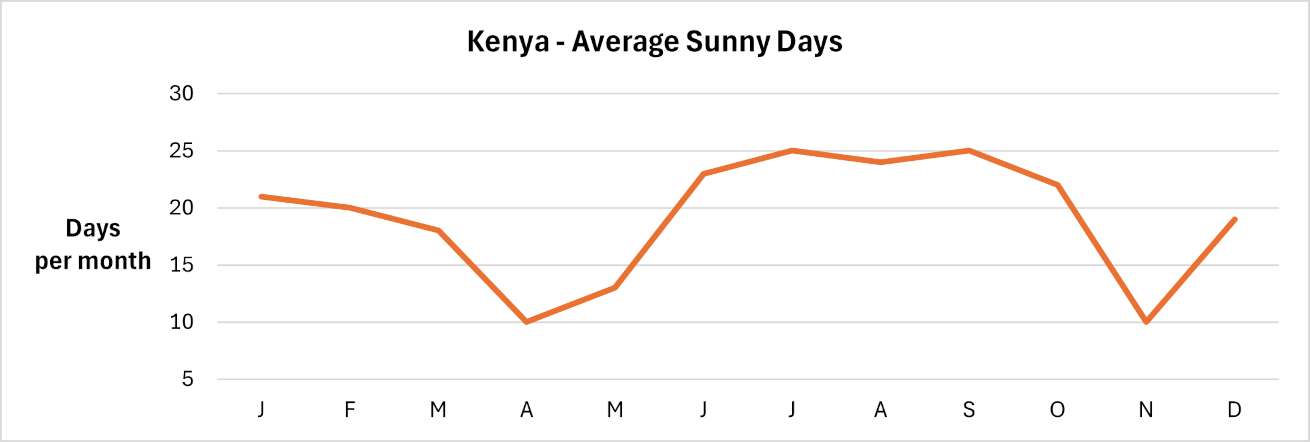
Kenya enjoys generally pleasant temperatures throughout the year, although conditions can vary depending on altitude and region. During the warmer summer months, daytime temperatures often range between 30°C and 40°C (86°F to 104°F), particularly in lower and coastal areas. In the cooler winter months, temperatures can drop to around 8°C to 12°C (46°F to 53°F), especially in higher altitude regions and during early mornings and evenings. Kenya experiences a high number of sunny days throughout the year, with the clearest and driest conditions typically occurring between May and October, making these winter months one of the best times to visit for wildlife viewing and outdoor activities.
Kenya Average Monthly Rainfall
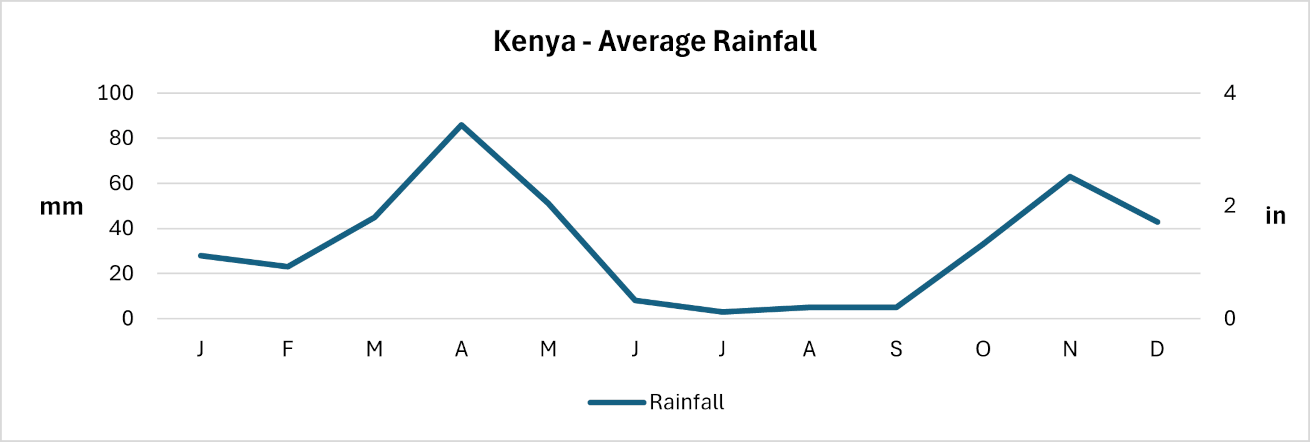
Kenya experiences two main rainy seasons each year. The “short rains” typically occur from late November to around March, while the “long rains” fall between April and June. Average annual rainfall across the country ranges from about 600 mm to 1000 mm (23 in to 39 in), although this can vary depending on the region and altitude. Most of the rainfall occurs between March and May during the long rainy season, while many other months remain relatively dry, making Kenya a great year-round destination for travel and wildlife viewing.
National Parks and the best times to visit
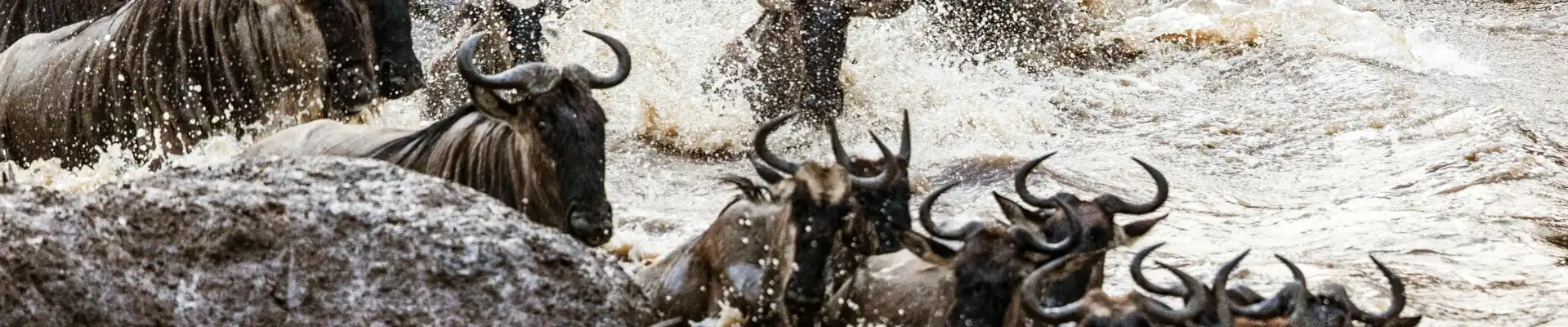
Kenya is world famous for one of nature’s most spectacular wildlife events — the Great Wildebeest Migration that takes place in the Masai Mara. Every year, more than a million wildebeest, accompanied by thousands of zebras and gazelles, move across the plains in search of fresh grazing, creating one of Africa’s most dramatic safari experiences. However, the migration is only one of the many reasons to visit Kenya. The country is home to several outstanding national parks and reserves where visitors have excellent opportunities to see the Big Five — lion, leopard, elephant, buffalo and rhino. While the winter months offer exceptional wildlife viewing due to drier conditions and thinner vegetation, the summer months bring lush green landscapes, dramatic skies and abundant birdlife following the seasonal rains.
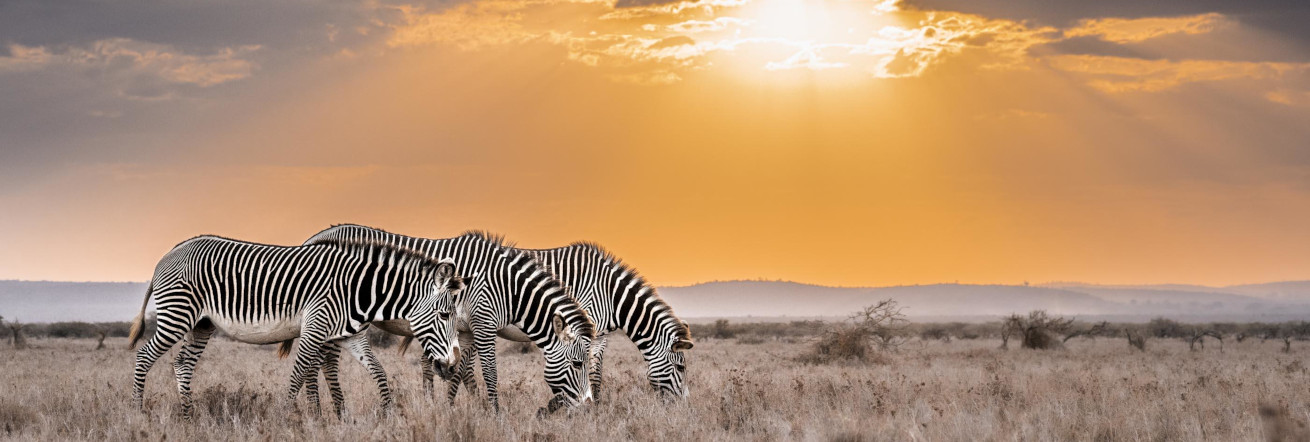
Masai Mara National Reserve – Located in southern Kenya along the border with Tanzania, the Masai Mara is one of Africa’s most iconic safari destinations. The reserve forms part of the larger Serengeti ecosystem and is renowned for its vast open plains, high concentration of predators and the annual wildebeest and zebra migration. The best time to witness the migration is typically from June to October when herds cross the Mara River and predators are highly active. During this dry season, daytime temperatures are generally pleasant, ranging between 10°C and 25°C (50°F to 77°F). The summer months can occasionally bring hotter days, with temperatures sometimes reaching up to 40°C (104°F), although such extremes are not common.
Other Notable Parks in Kenya – Kenya is also home to many other exceptional wildlife destinations. Amboseli National Park is famous for its large elephant herds and spectacular views of Mount Kilimanjaro. Lake Nakuru National Park is known for its rhino sanctuary and large populations of flamingos and other bird species. Hell’s Gate National Park offers dramatic scenery with cliffs, gorges and geothermal activity, while Nairobi National Park is unique for its wildlife viewing with the city skyline visible in the background. These parks can be visited year-round thanks to Kenya’s generally pleasant climate, but the best wildlife viewing typically occurs during the drier winter months from June to November. During this period, mornings and evenings can be quite cool, while daytime temperatures usually range between 15°C and 25°C (59°F to 77°F), creating comfortable conditions for safari activities.

Your Safari Planning starts here.
 Learn from our experience.
 Expert advice on safaris & logistics.
 Supportive ‘one on one’ service.