Primate Trekking
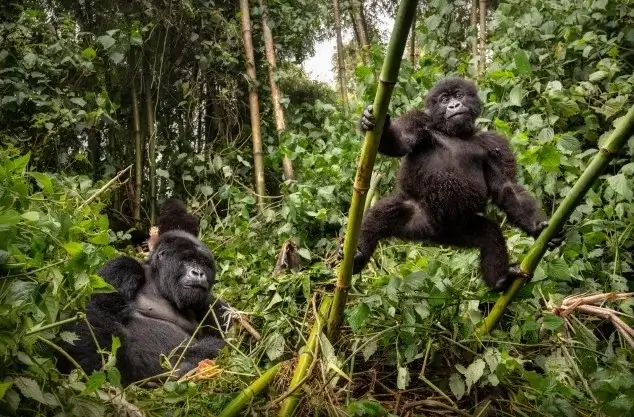
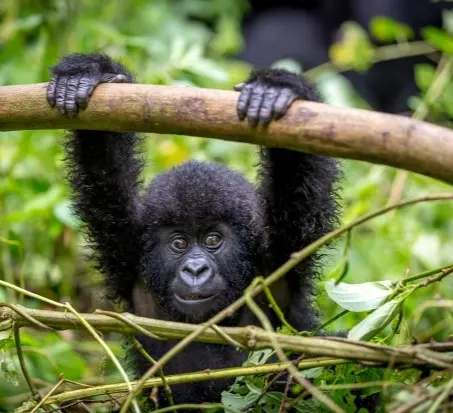
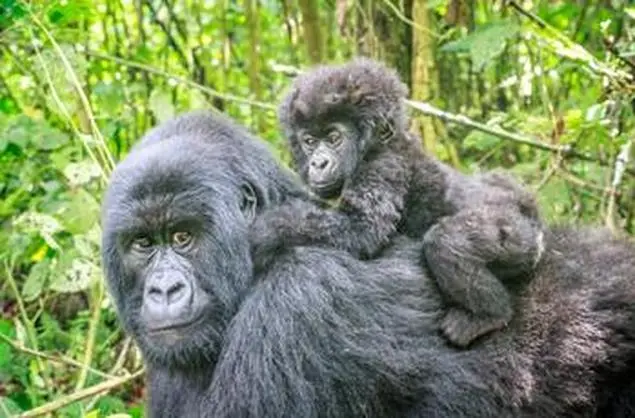
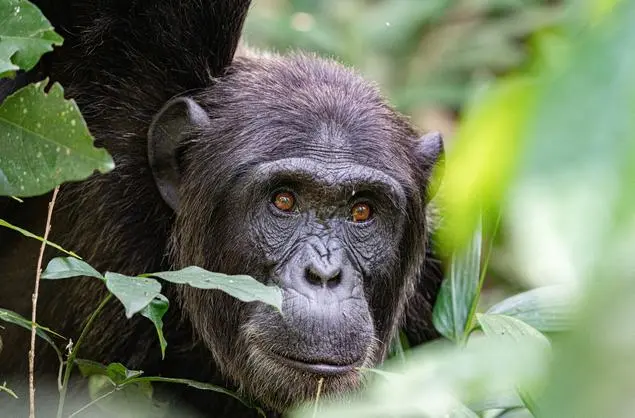
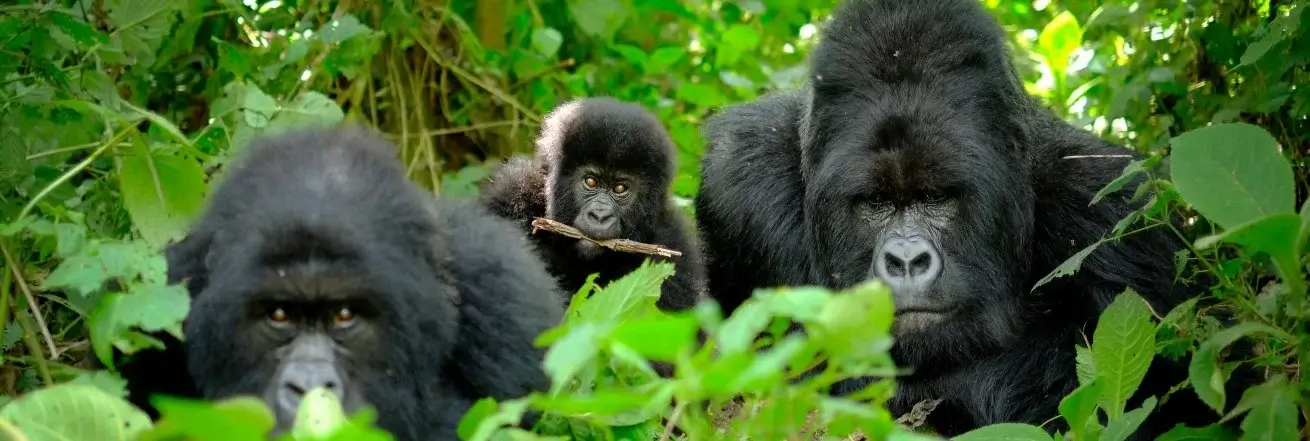
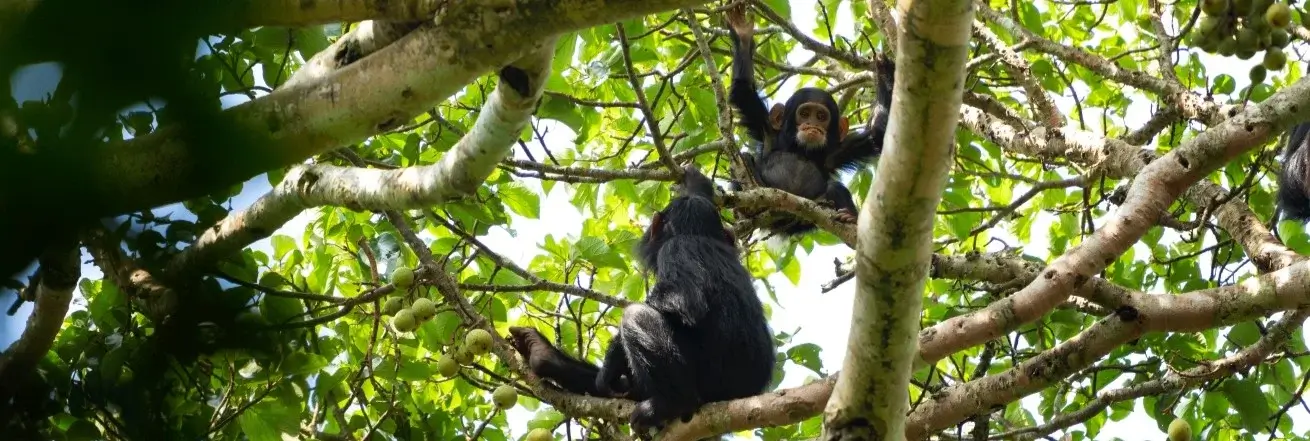
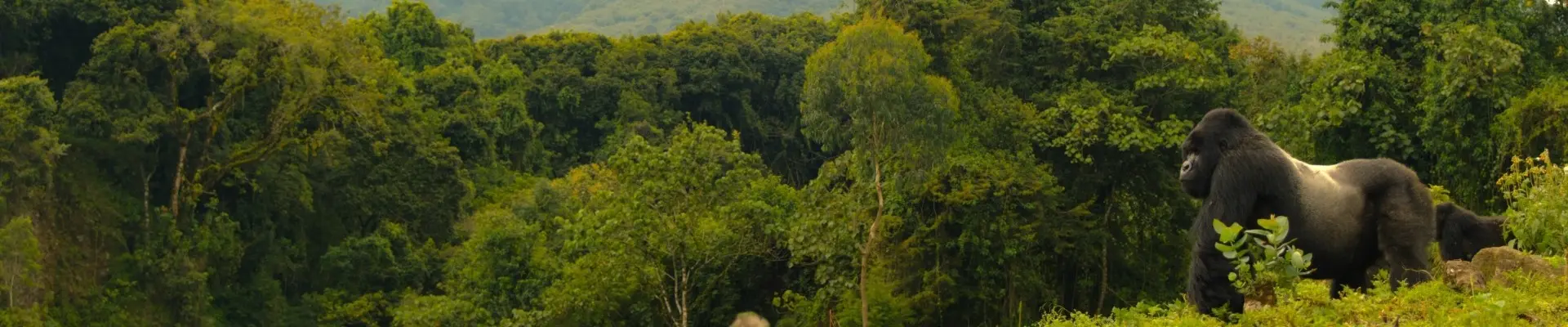
Few wildlife experiences are as powerful, humbling and intimate as primate trekking in Rwanda. Whether you are watching the expressive face of a mountain gorilla just a few metres away or hearing the echoing calls of chimpanzeesdeep within the forest, primate trekking offers a truly immersive journey into the wild and a rare glimpse into our closest relatives in the animal kingdom.
Rwanda is one of the few countries in the world where travellers can encounter both mountain gorillas and chimpanzees in their natural habitats within a single itinerary.
The experience goes beyond these iconic primates, as Rwanda’s forests are home to more than a dozen other primate species, many of which are unique to the Albertine Rift region.
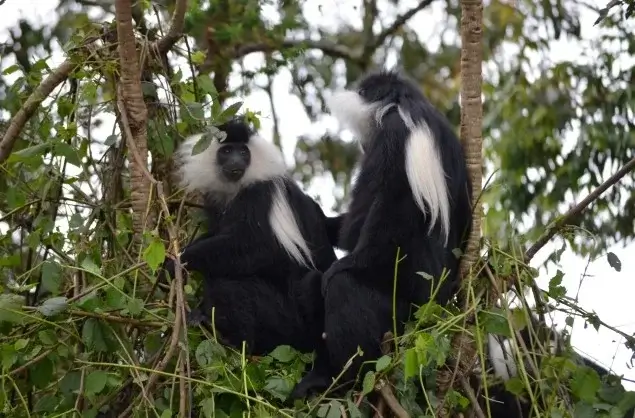
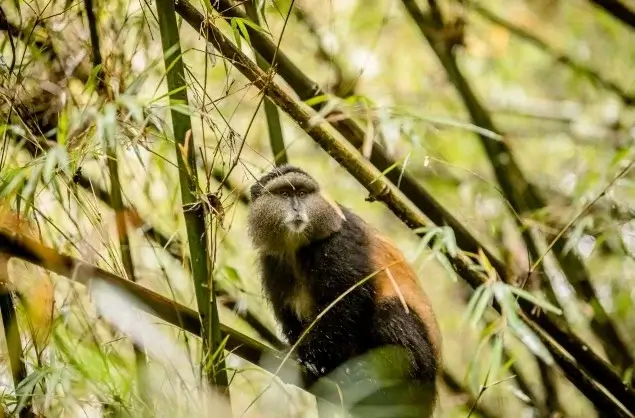
Visitors may also spot golden monkeys, L’Hoest’s monkeys and the striking Rwenzori colobus among the dense rainforest canopies. In addition to these incredible primate encounters, Rwanda also offers a classic African safari experience in its savannah landscapes, where visitors have the opportunity to see the Big Five — lion, elephant, rhino, leopard and buffalo — making Rwanda a well-rounded and unforgettable safari destination.
What to Expect on a Primate Trek
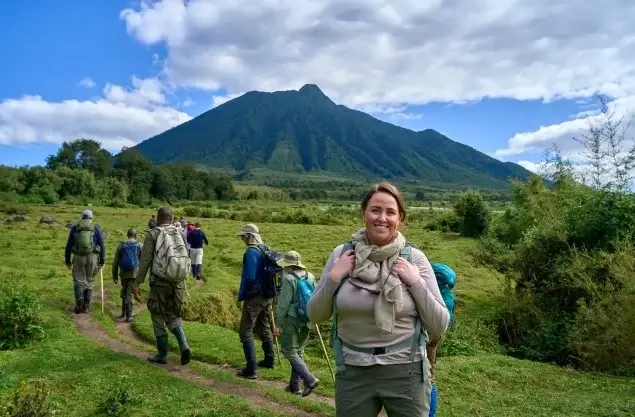
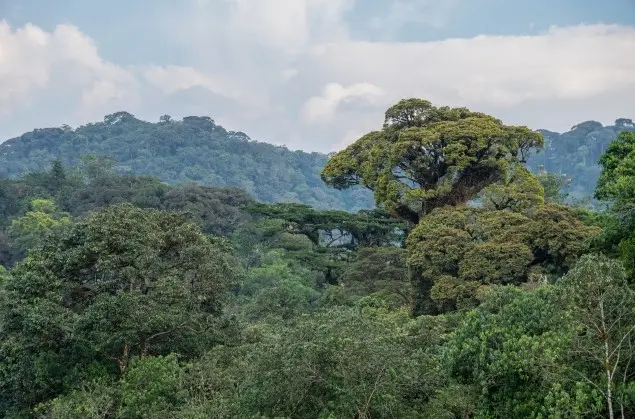
Primate trekking in Rwanda is an exciting and rewarding adventure that takes place in dense mountain rainforests at altitudes ranging from about 6,000 to over 9,000 feet (1,800 to 2,700 metres).
Treks involve hiking through forest trails that can be steep, muddy and uneven, particularly during the rainy seasons. While you do not need to be extremely athletic, a moderate level of fitness is recommended, as treks can last anywhere from 1 to 6 hours depending on where the primates have moved that day.
Experienced guides and trackers work together to locate the primate families, with tracking teams heading out early to monitor their movements and communicate with guides throughout the trek. Group sizes are intentionally kept small—usually no more than 8 guests per group—to ensure a respectful and controlled experience.
Once the primates are located, visitors are allowed to spend up to one hour observing them in their natural habitat, watching their social interactions, feeding behaviour and playful movements through the forest. Porters are available to assist with carrying bags and offering support along the trail, which also helps support local communities living near the parks.
The entire experience is carefully managed to ensure the safety and well-being of both visitors and the primates, making it a truly unforgettable wildlife encounter.