Wild Flower Tours of South Africa
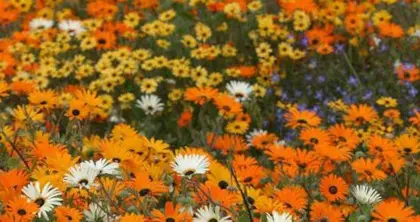
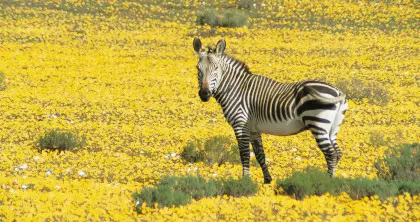
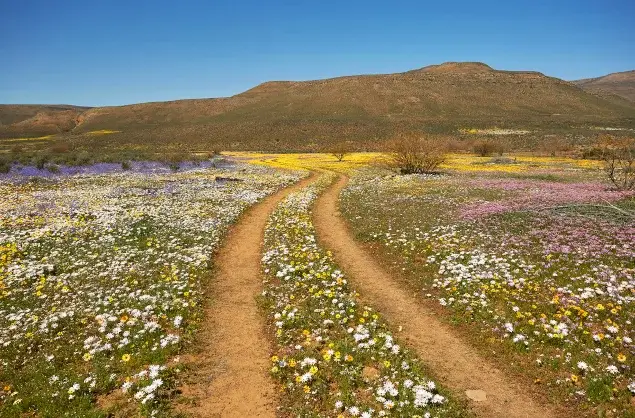
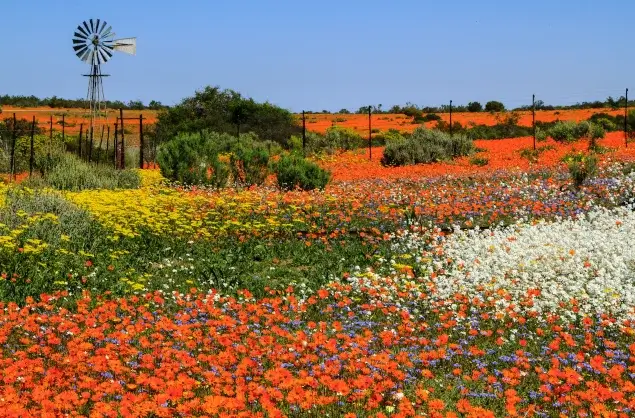
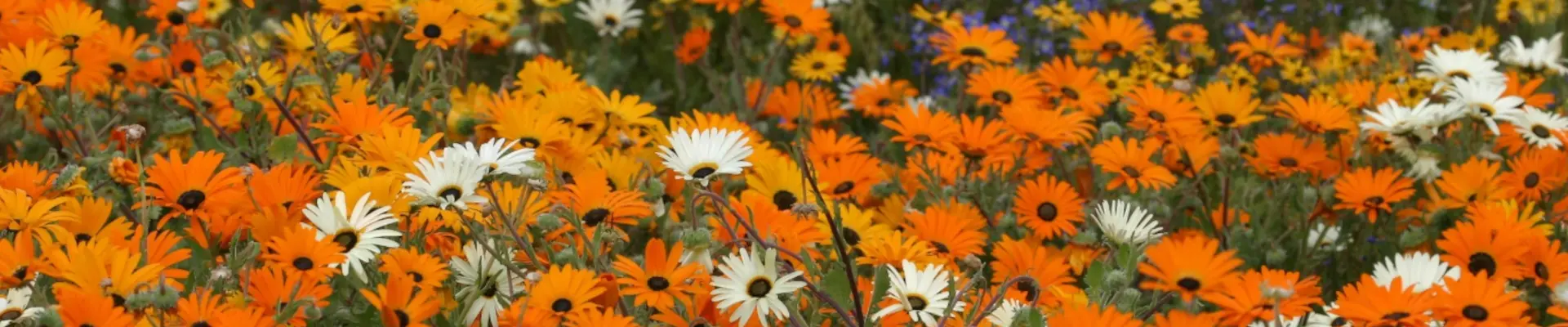
Each spring between August and September, South Africa’s west coast undergoes a remarkable transformation as the normally dry and dusty landscape bursts into vibrant fields of wildflowers. After the winter rains, vast areas of the region are covered in colourful blooms, creating a breathtaking natural display of white, purple, pink, red and bright orange flowers stretching across the countryside.
Hundreds of indigenous plant species come into bloom during this short season, including fynbos, vygies, daisies and nemesias. The spectacle is especially striking in places like Namaqualand and the West Coast National Park, where carpets of flowers cover the open plains. This brief but spectacular flowering season attracts thousands of visitors every year who travel to the region to photograph the landscapes and experience one of South Africa’s most beautiful natural phenomena.
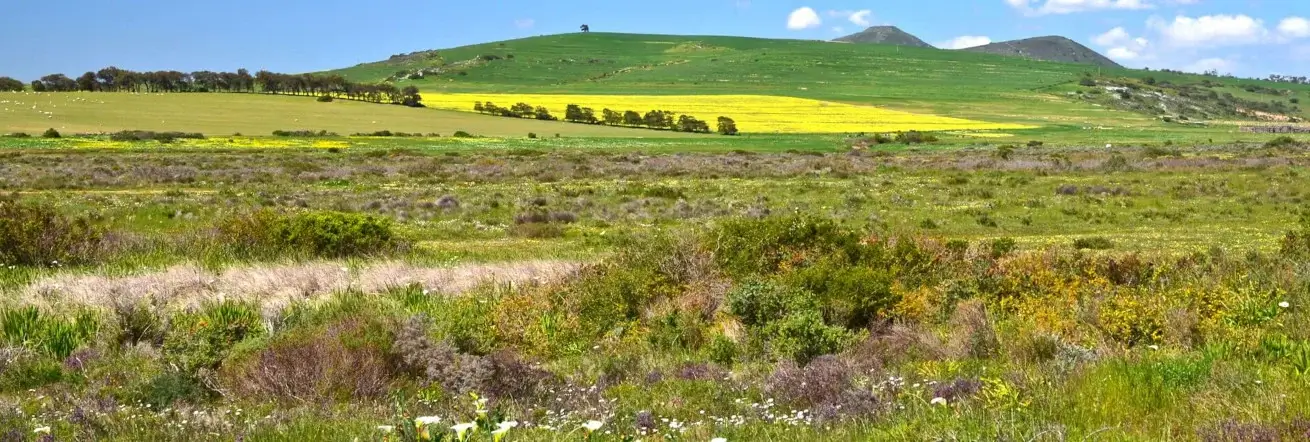
The timing and quality of the wildflower season along South Africa’s west coast depend largely on the winter and early spring rainfall, as well as weather conditions such as the absence of hot berg winds. While the last two weeks of August through to mid-September are generally considered the best time to see the flowers in full bloom, early rains can trigger flowering as early as July. If temperatures remain mild, the colourful displays can last well into October. The location and variety of flowers change each year depending on rainfall and weather patterns, and local tourist information centres are a great resource for finding the best viewing spots. The West Coast Tourism website also provides regular “Flower Reports” to help visitors plan their trips.
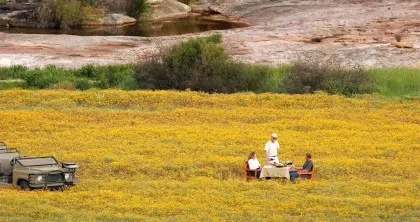
There are many ways to enjoy the wildflower season, including self-drive routes, cycling trails and guided walks through national parks and nature reserves. Tourist information offices provide maps of the various flower routes, making it easy to explore charming towns and discover the best floral displays. For those wanting a closer look, one- and two-day walking trails allow visitors to experience the flowers up close, making them especially popular with photographers and nature lovers. Visitors are encouraged to stay on marked paths and to never pick or remove flowers, bulbs or plants from the veld, as this is both harmful to the environment and illegal.