Sossusvlei Desert Adventure
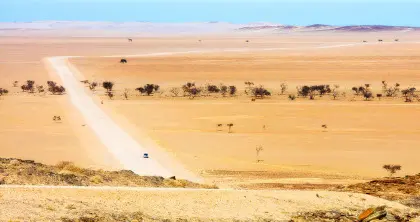
The Namib-Naukluft National Park, located in the southwestern corner of Namibia, is one of the largest protected areas in Africa and home to some of the country’s most iconic landscapes. Within the park lies Sossusvlei, a vast salt and clay pan surrounded by some of the tallest sand dunes in the world.
The name “Sossusvlei” comes from Afrikaans and roughly translates to “dead-end marsh,” referring to the point where the towering dunes block the flow of the Tsauchab River, preventing it from reaching the Atlantic Ocean. Instead, during rare wet seasons, the water spreads out across the pans, creating a striking contrast against the red dunes.
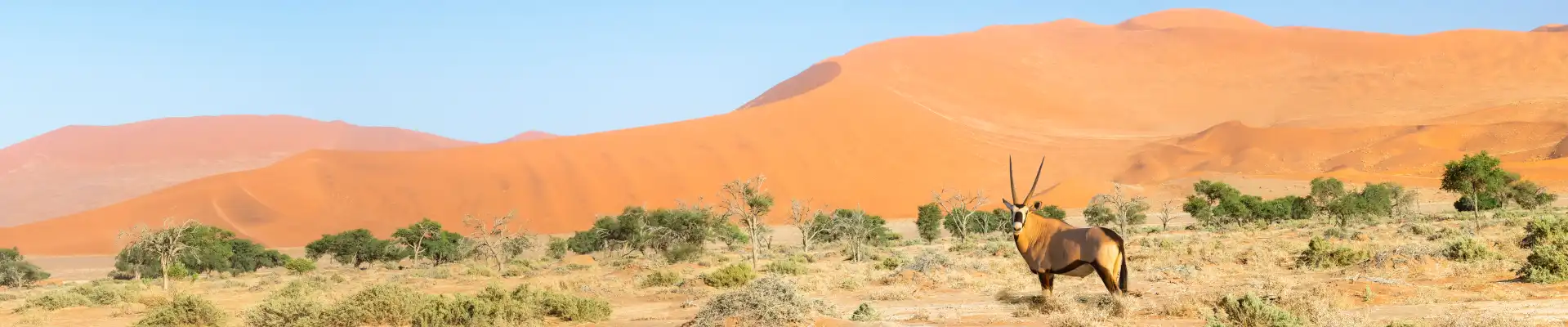
Despite its harsh desert environment, this region supports a surprising amount of life. Plants and animals have adapted in remarkable ways to survive the extreme conditions, with species such as oryx, springbok and various desert-adapted creatures thriving in the area.
The unique combination of towering dunes, dry pans and resilient wildlife makes Sossusvlei one of Namibia’s most fascinating and visually dramatic destinations.
Sossusvlei Highlights
• Sesriem Canyon: Located about 5 km from the entrance of the Namib-Naukluft National Park, Sesriem Canyon was carved over time by the Tsauchab River. Its narrow passages and shaded sections provide a cool contrast to the surrounding desert, and it is one of the few places in the area where water can still be found throughout the year.
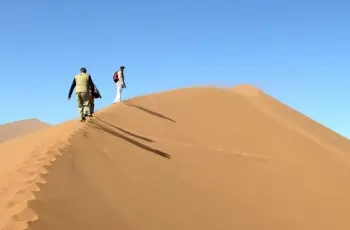
• Sand Dunes: The towering dunes of Sossusvlei, ranging from around 170 m to over 300 m in height, are among the highest in the world. Famous for their rich orange and red hues, they offer incredible views for those willing to climb them. Notable dunes include Dune 45, Big Daddy and Elim Dune, each offering a slightly different perspective of the surrounding desert.
• Hidden Vlei: Less visited and more secluded, Hidden Vlei offers a quieter experience away from the more popular sites. Reached via a 2x4 track and a short walk, this peaceful pan allows visitors to explore the desert in relative solitude and appreciate the stillness and beauty of the landscape.
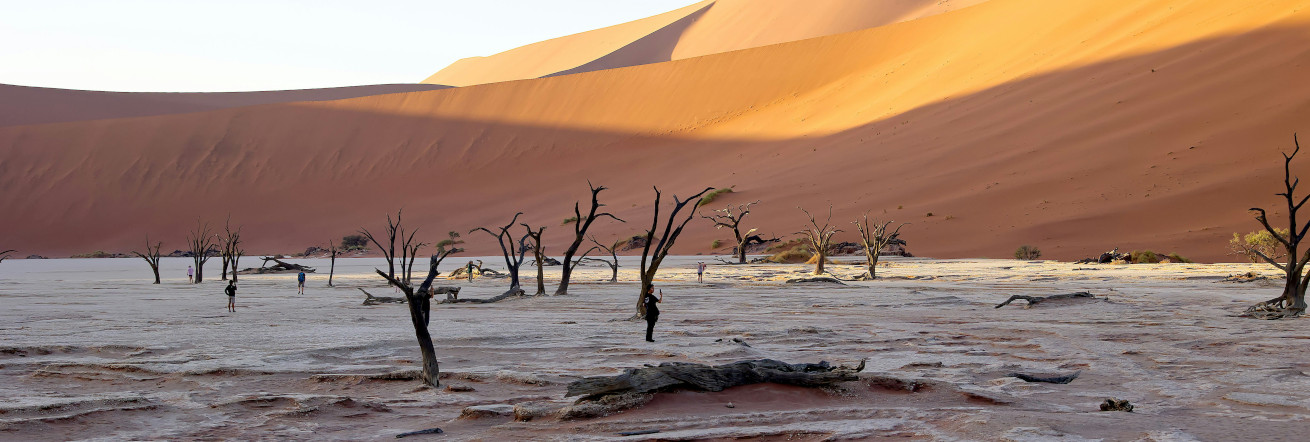
• Deadvlei: One of the most iconic sights in Namibia, Deadvlei is known for its dramatic contrasts. The bright white clay pan is surrounded by towering red dunes and scattered with ancient blackened camelthorn trees, creating a striking and unforgettable scene that is especially popular with photographers.
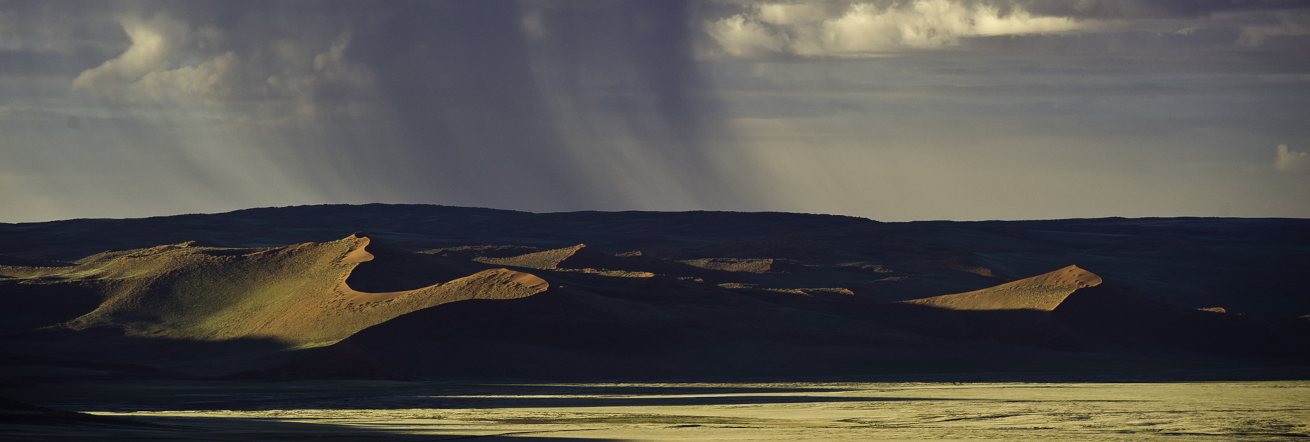
Sossusvlei receives less than 50 mm (1.9 inches) of rain per year, making it one of the driest regions in Namibia due to the surrounding Namib Desert. The best times to visit are during autumn (March to May) and spring (August to October), when temperatures are milder and skies are clear—ideal for exploring the dunes and enjoying the landscape at its best.
During the winter months (June to August), conditions are cooler, especially in the early mornings and evenings, with temperatures often ranging from around 5°C to 20°C (41°F to 68°F).
The pans are usually very dry as the Tsauchab River rarely flows, and occasional east winds can bring cooler air and dust across the desert. Visiting at the start or end of winter is often recommended, as daytime temperatures remain pleasant.
In summer (November to February), temperatures can become extremely hot, typically ranging between 30°C and 40°C (86°F to 104°F). However, if seasonal rains arrive, the Tsauchab River may briefly flow again, creating temporary pools and adding a rare touch of green to the otherwise arid landscape.
Each season offers a different perspective of Sossusvlei, making it a year-round destination depending on what you would like to experience.
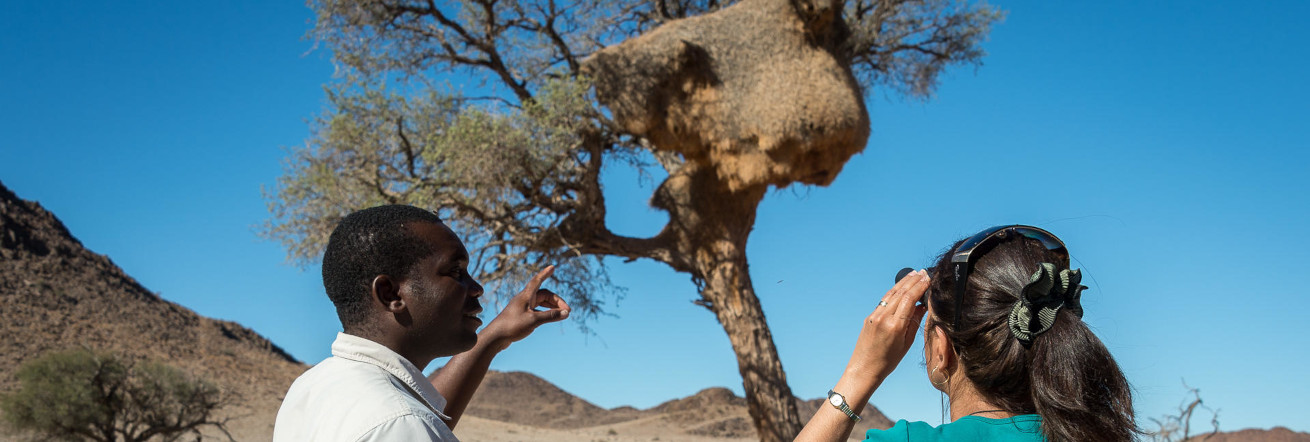
Despite the extreme conditions of the Namib Desert, a surprising variety of plant and animal species have adapted to survive here. Many rely on the moisture brought in by coastal fog from the Atlantic Ocean or extract water from the sand during dry periods.
Wildlife such as springbok, gemsbok (oryx), brown and spotted hyena, Cape fox and jackal have all adapted remarkably well to life in this arid environment, making sightings in the Sossusvlei region both unique and rewarding.
Plant life is equally resilient, with species such as nara melons, welwitschia and camelthorn trees specially adapted to draw moisture from the air or store water for long periods. These hardy plants play an essential role in supporting the desert ecosystem.
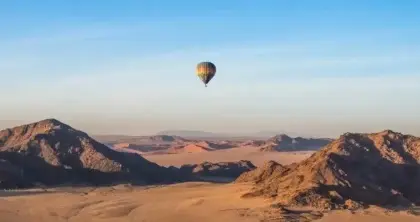
There are many ways to experience this extraordinary landscape. Popular activities include sunset or sundowner drives across the dunes, scenic helicopter flights for a bird’s-eye view of the desert, hot air balloon safaris at sunrise, and quad biking adventures across the open plains. Each offers a different perspective of the Namib’s breathtaking scenery and its uniquely adapted wildlife.
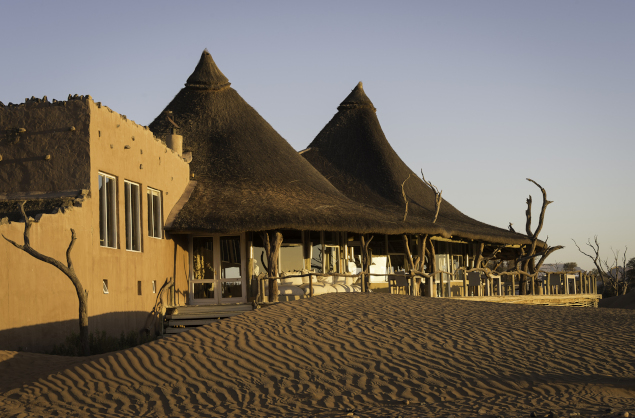
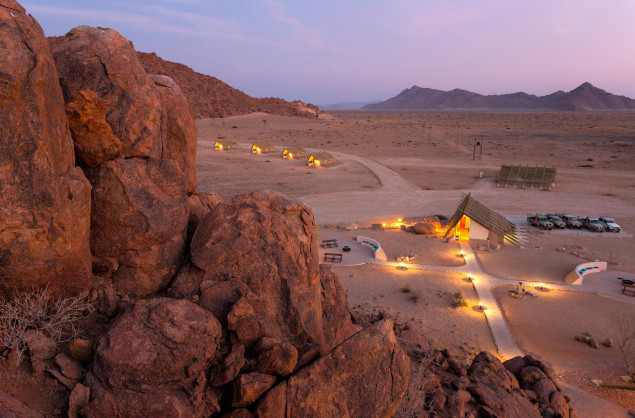
There is a wide range of accommodation options around Sossusvlei to suit different budgets and travel styles. From luxurious desert lodges and boutique retreats to comfortable campsites and self-catering units, there is something for every type of traveller. Whether you are looking for a high-end, fully serviced stay or a more independent and adventurous experience, the Sossusvlei area offers plenty of choice.
Most accommodation is located within about an hour’s drive of the Namib-Naukluft National Park, making it easy to reach the entrance gates early in the morning. This allows you to enter the park at sunrise and experience the dunes in the soft, golden light—one of the most magical times to explore this iconic desert landscape.