


Tanzania is one of Africa’s most remarkable travel destinations. It is home to seven UNESCO World Heritage Sites, with nearly 38% of the country protected for conservation and wildlife.
From the vast plains of the Serengeti and the wildlife-rich Ngorongoro Crater to the tropical beaches of Zanzibar, Tanzania offers an exceptional combination of safari adventures and relaxing coastal experiences.
If this inspires you to visit this beautiful country, explore the best times to visit Tanzania and start planning your ideal safari and beach getaway.
Our tours and safaris above showcase some of Tanzania’s most iconic destinations. Alternatively, we can tailor-make a Tanzania safari to match your interests while you brush up on your Swahili greetings.
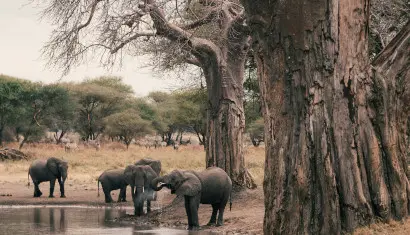
Northern Tanzania is home to some of Africa’s most iconic safari destinations. These include Serengeti National Park, the Ngorongoro Crater, Mount Kilimanjaro, and Tarangire National Park.
These world-famous destinations are typically accessed through the gateway town of Arusha.
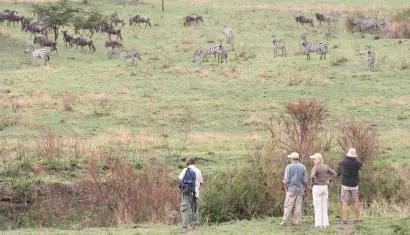
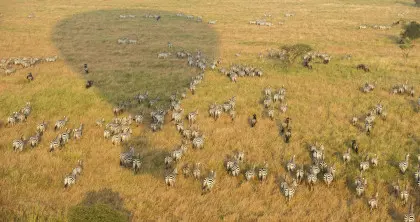
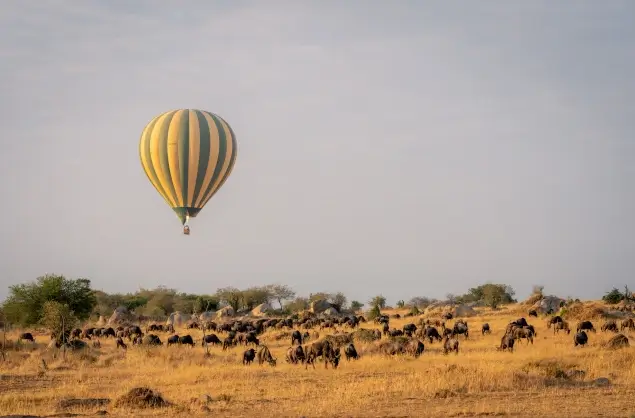
The Serengeti is renowned for the Great Migration, one of the world’s most extraordinary wildlife spectacles. Nearly two million wildebeest, zebras, and antelope cross the plains each year in search of fresh grazing.
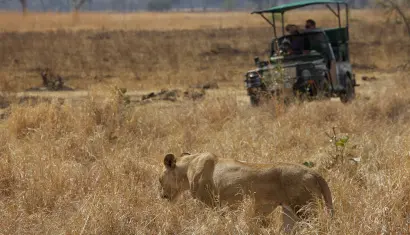
This dramatic journey takes place between Tanzania’s Serengeti and Kenya’s Maasai Mara. It is closely followed by predators such as lions, leopards, hyenas, and cheetahs.
The timing and movement of the Great Migration are influenced by rainfall and grazing conditions. As a result, the exact location of the herds varies slightly from year to year.
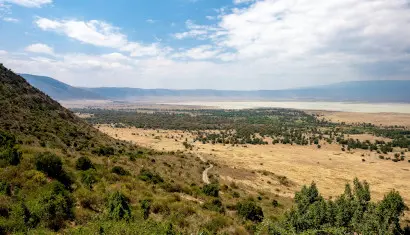
The Ngorongoro Crater, the world’s largest inactive volcanic caldera, offers exceptional wildlife viewing. It is home to around 25,000 animals within its natural bowl-shaped landscape.
The crater provides a safe haven for a wide variety of wildlife, including the Big Five—lion, elephant, buffalo, leopard, and rhino. This makes it one of Africa’s best destinations for concentrated game viewing.
Nearby, Olduvai Gorge is one of the world’s most important archaeological sites. Discoveries of some of the earliest known human remains here have provided valuable insights into human evolution.
The wider Ngorongoro area also offers opportunities to visit local Maasai communities. Here, you can learn about their traditions, culture, and way of life through authentic cultural experiences.
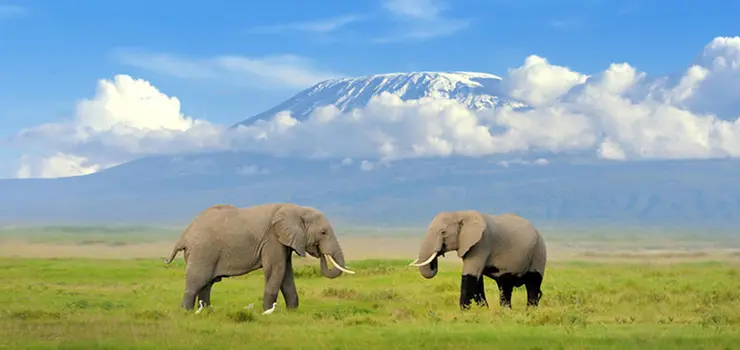
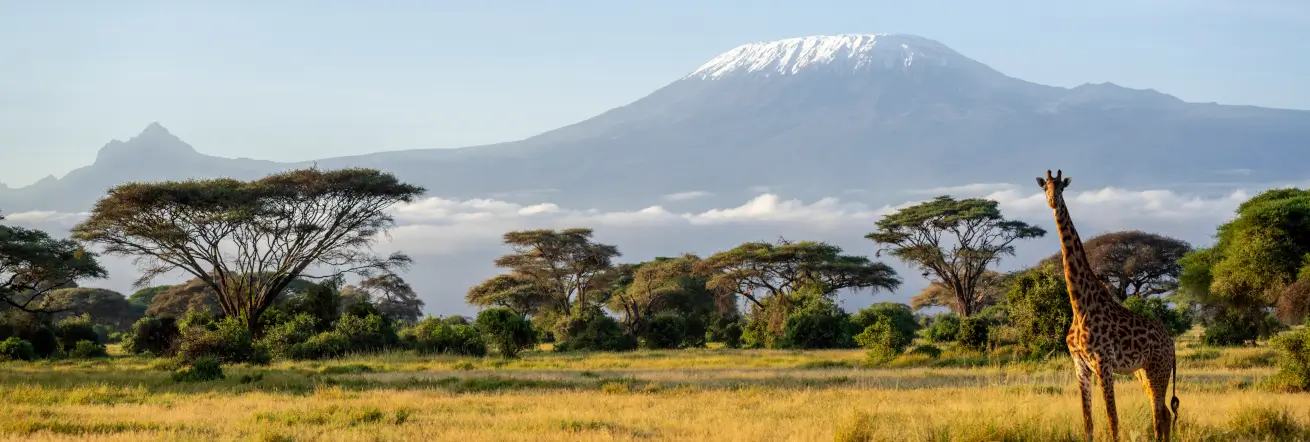
Further east, the sight of Mount Kilimanjaro rising above the plains is truly breathtaking. Standing at 5,896 m (19,343 ft), it is Africa’s highest mountain and one of the world’s most famous trekking destinations.
For travellers who are fit and well prepared, reaching the summit is a challenging yet achievable goal. The climb does not require ropes or technical mountaineering experience, only determination, proper acclimatisation, and good physical fitness.
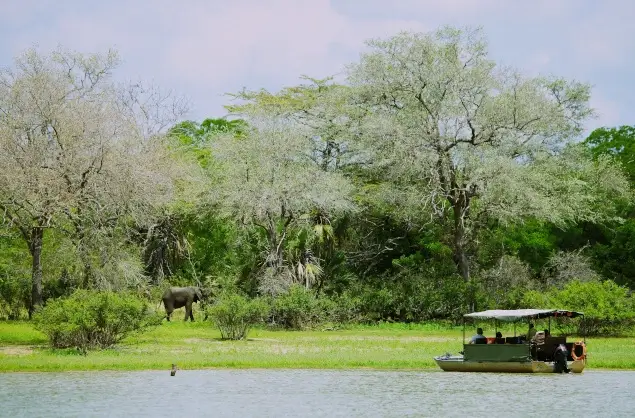
Southern Tanzania is dominated by the vast Selous Game Reserve (now part of Nyerere National Park). It offers a quieter and more remote safari experience compared to the busier parks of Northern Tanzania.
The Ruaha National Park is another highlight of Southern Tanzania.
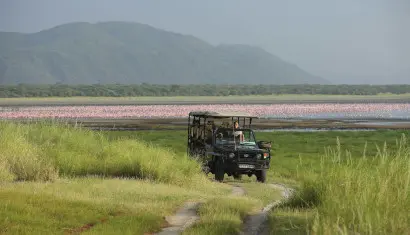
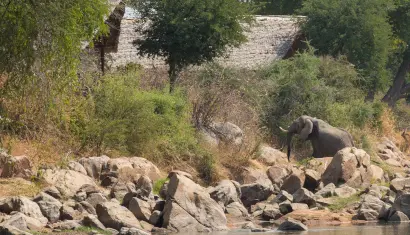
Both parks are immense wilderness areas known for their rivers, lakes, woodlands, and open plains. They provide excellent opportunities to see elephants, lions, wild dogs, and a remarkable variety of birdlife.
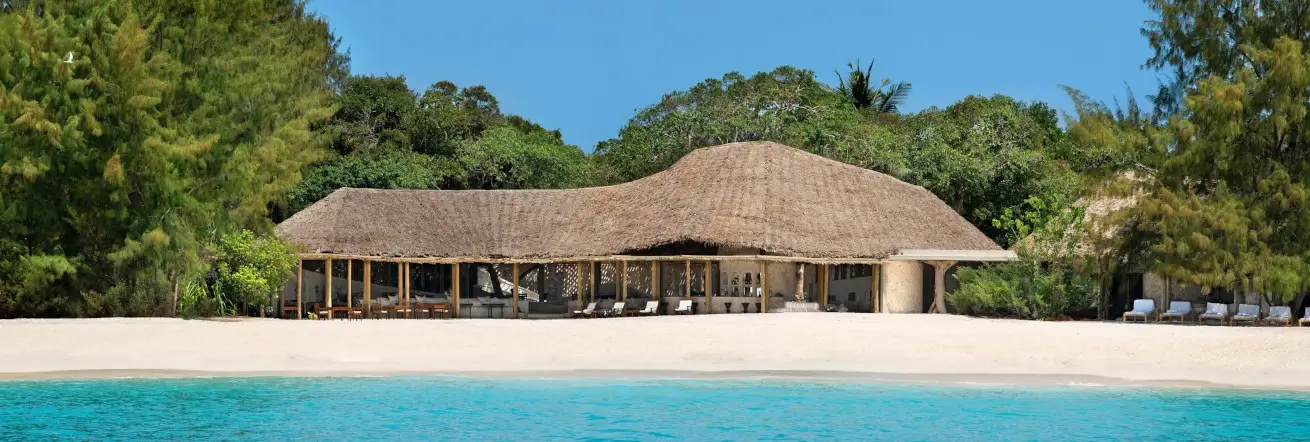
After an exciting safari, many travellers choose to end their journey on the beautiful island of Zanzibar. Its white sandy beaches, turquoise waters, and rich Swahili culture create the perfect setting for relaxation.
The best time to visit Tanzania for wildlife viewing is generally during the dry season, from late June to October.
During this period, animals gather around water sources and the sparse vegetation makes wildlife easier to spot. The peak rainy season usually occurs during March and April.
The Great Migration follows a natural cycle throughout the year.
Wildebeest calving usually takes place in the southern Serengeti between late January and February. The herds are commonly found in the northern Serengeti and Kenya’s Maasai Mara from late July to mid-October.
During this period, the dramatic river crossings at the Grumeti and Mara Rivers often occur between late August and late September. These crossings create one of Africa’s most spectacular wildlife events.
Practical Information
Read here for more practical information about travelling in Tanzania.